
14 Jan Your Guide to Wedding Seating Charts
Crafting the perfect wedding seating chart can feel like a complex puzzle. You’re trying to piece together different personalities, family dynamics, and friendship groups to create a harmonious and enjoyable atmosphere for everyone. It’s often one of the most surprisingly stressful parts of wedding planning, but it doesn’t have to be.
A well-thought-out seating plan does more than just tell guests where to sit; it sets the tone for your entire reception. It can encourage conversation, help new friends meet, and ensure your closest relatives have the best view of your first dance.
This guide will walk you through everything you need to know about creating a wedding seating chart. We’ll cover different table arrangements, strategies for grouping guests, and tips for handling those tricky situations, helping you design a reception where everyone feels welcome and celebrated.
Where to Begin: Gathering Your Tools
Before you start placing names, get organized. This will make the process much smoother and less overwhelming.
First, confirm your final guest list. You can’t create a seating chart without knowing exactly who is coming. Make sure you have all your RSVPs tallied.
Next, get a floor plan of your reception venue. This is crucial. Your venue coordinator can provide a diagram showing the room’s layout, including the dance floor, DJ booth or stage, exits, and bar. This will show you what kind of space you’re working with and what table shapes and sizes will fit.
Finally, decide how you want to map everything out. You could go old-school with sticky notes on a large poster board, which makes it easy to move people around. Alternatively, you can use digital tools. Many wedding planning websites and apps offer seating chart software that lets you drag and drop guests into place. Spreadsheets are also a great option for organizing lists and making notes.
Understanding Table Shapes and Sizes
The type of tables you use will influence your seating arrangement and the overall feel of your reception. Here are the most common options:
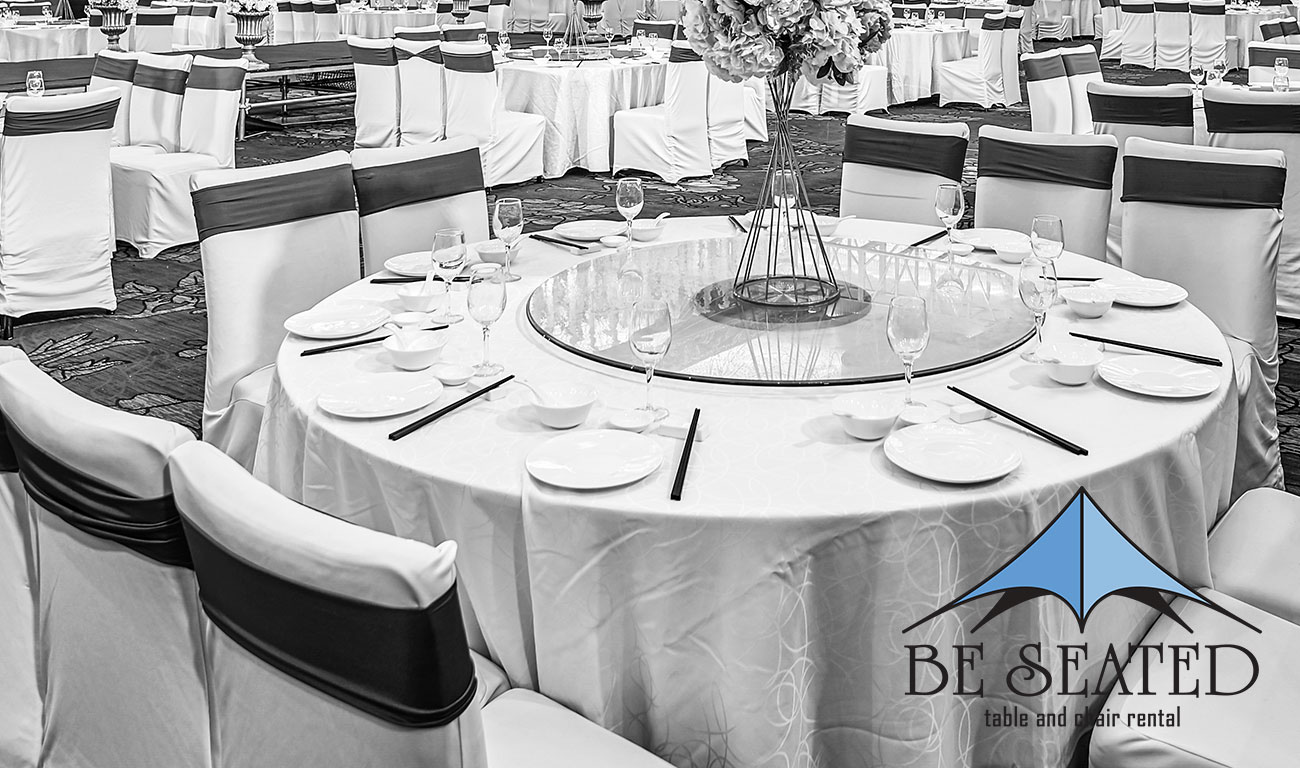
Round Tables
- Typical Seating: 8-10 guests.
- Vibe: Classic and traditional. Round tables are excellent for conversation, as everyone can see and talk to each other easily. This setup makes it feel sociable and inclusive.
- Layout Considerations: They can take up more floor space than rectangular tables, so you’ll need to ensure your venue can accommodate them comfortably.
Rectangular (or Banquet) Tables
- Typical Seating: Varies depending on length, but usually 8-12 guests.
- Vibe: Modern and dramatic. Long, rectangular tables can create a grand, family-style dining feel. They look stunning in photos, especially when decorated with runners and elaborate centerpieces.
- Layout Considerations: These are often more space-efficient. However, conversation is usually limited to the people sitting directly next to or across from a guest.
Square Tables
- Typical Seating: Usually 8 guests (two on each side).
- Vibe: Contemporary and intimate. Square tables offer a more modern look than round ones but still allow for easy conversation among all guests.
- Layout Considerations: They require a good amount of space and can sometimes feel a bit formal. They work best in venues with a modern aesthetic.
How to Group Your Guests
Now for the main event: deciding who sits where. The goal is to create tables where guests will feel comfortable and have a good time.
Group by Connection
The simplest approach is to group guests by how you know them. Create tables for:
- Your close family
- Your extended family
- Friends from high school or college
- Work colleagues
- Your partner’s family and friends
This ensures everyone will be seated with at least a few familiar faces. However, be careful not to isolate groups. Try to mix it up a little by placing two different (but compatible) groups at adjacent tables to encourage mingling.
Mix and Mingle
If you have a lot of outgoing guests from different parts of your life, you might consider mixing your tables. The goal here is to introduce people who you think will get along.
When creating mixed tables, make sure every guest or couple knows at least one other person at the table. Being seated at a table full of complete strangers can be intimidating for many people. A good strategy is to place guests with similar interests, professions, or life stages together.
Consider Personalities and Dynamics
Think about the personalities of your guests. Seat your quiet, more reserved aunt next to a friendly, talkative cousin who can draw her into the conversation. Have a “fun” table for your high-energy party people who will likely be the first ones on the dance floor.
It’s also important to be mindful of any sensitive family dynamics. If certain relatives don’t get along, seat them at opposite ends of the room. Your wedding is not the time or place to force a reconciliation. Your priority is to create a positive, drama-free environment.
Don’t Forget a Kids’ Table
If you have several children attending, consider creating a designated kids’ table. This can be a lot of fun for them and gives their parents a chance to relax and socialize. Make it engaging with crayons, activity books, and simple games. Position the kids’ table near their parents so they can keep an eye on them.
Handling the Head Table
The head table is where the wedding party traditionally sits. There are a few popular options for this.
The Sweetheart Table
This is a small table set up just for you and your new spouse. It gives you a few moments of privacy to soak it all in and enjoy your first meal as a married couple. This option also frees up your wedding party to sit with their own partners or families, which they will likely appreciate.
The Traditional Head Table
This setup features a long rectangular table with the couple at the center, flanked by their wedding party. Typically, the wedding party’s partners are seated at other tables. While traditional, this can be awkward for those separated from their dates.
The King’s Table
A “King’s Table” is a larger option that includes the wedding party and their partners. It can be a large round table or a grand rectangular one. This is a more inclusive and modern approach that keeps couples together.
Simplify Your Reception
Creating a wedding seating chart is an act of love. You’re thoughtfully curating an experience to ensure your guests feel comfortable, included, and ready to celebrate with you. While it requires careful planning, it’s a detail that can make a huge difference in the flow and feel of your reception.
Start the process early, stay organized, and trust your instincts about who will enjoy sitting together. Don’t aim for absolute perfection; aim for a room filled with happy people. Once the music starts and the food is served, your guests will be mingling, laughing, and creating memories—and that’s the most important part.
Sorry, the comment form is closed at this time.